Automated warehouse systems are playing an increasingly important part in modern manufacturing operations, and their ability to improve throughput and reduce costs is being felt across the whole workforce.
Redefining roles on the production floor
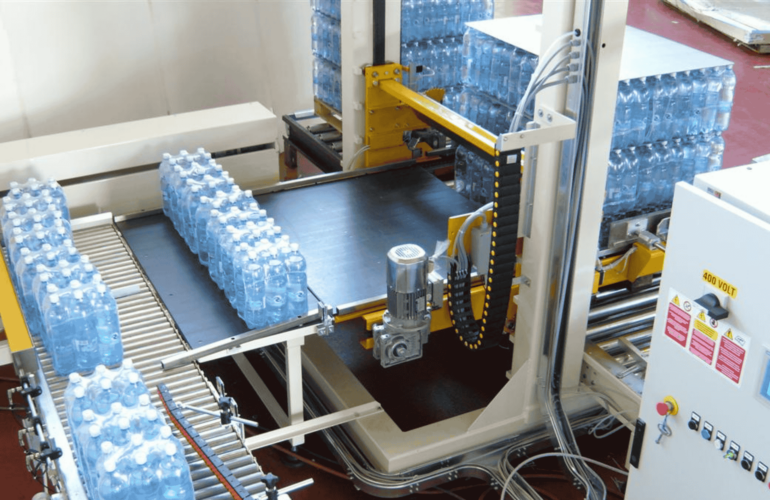
The changes are most visible on the production floor, where warehouse and end-of-line processes traditionally rely heavily on manual handling. Tasks such as palletising, picking and product movement are often repetitive, physically demanding and prone to inconsistency – which also makes them easy to automate.
But despite this, the shift to automation isn’t simply replacing human operatives with machines as many feared. Instead, it’s changing where and how humans add value; reshaping factory roles and, according to the latest research, adding to them by taking on the repetitive, labour-intensive work, so operators can step into more skilled, higher-value positions.
As a result, day-to-day responsibilities shift away from physically handling and moving stock and towards:
- Monitoring system performance
- Managing workflows
- Handling exceptions and quality control
- Maintaining equipment
- Analysing data
A shift in skills and training
As roles evolve, so do the skills required to complete them. Automation reduces the need for manual handling, but increases the importance of understanding how the systems perform, integrate with the production line, and keep everything running efficiently.
Therefore, operators often need to be upskilled in areas such as performance monitoring, managing changeovers, data analysis, identifying issues and carrying out basic maintenance in order to get the most from the system.
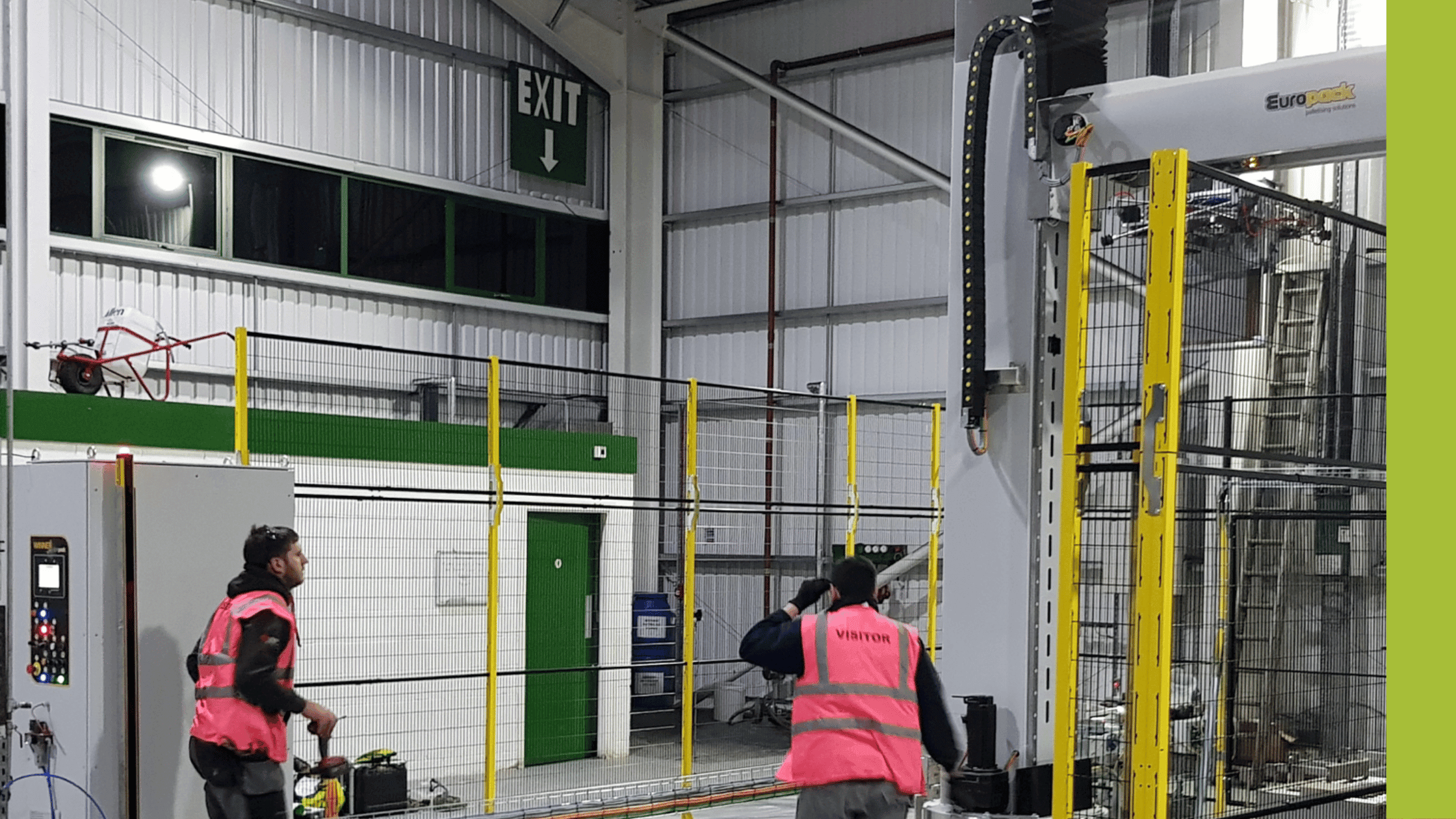
Modern automated warehouse systems are designed to support this, allowing teams to get up to speed and take control quickly. Intuitive touchscreen controls and visual interfaces make it straightforward to programme new product configurations, adjust stacking patterns and manage day-to-day operation without specialist coding knowledge.
Improving operational workflows
Beyond workforce changes, automated warehouse systems fundamentally improve how operations run.
By integrating palletisers, conveyors and handling systems into a connected workflow, businesses can:
- Remove bottlenecks at key points in the production line
- Maintain consistent output regardless of staffing levels
- Reduce downtime through faster changeovers and diagnostics
- Improve accuracy and reduce wastage
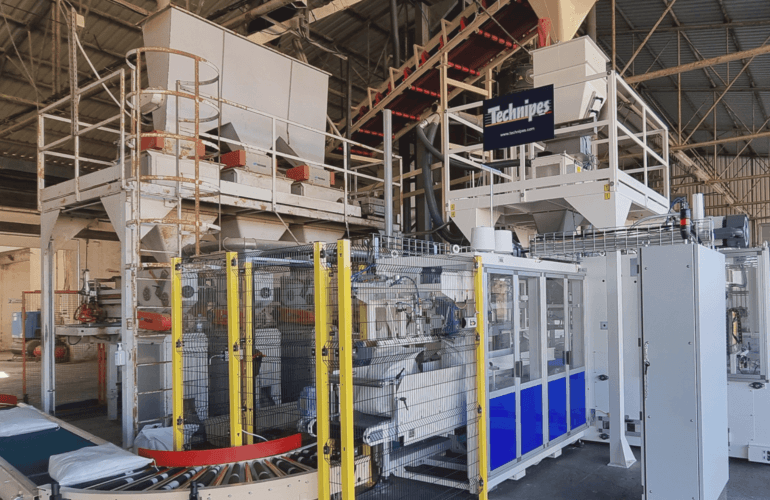
For businesses looking to grow, the systems offer a flexible way to increase capacity, scaling from a single line to multi-line operations, while integrating seamlessly with existing layouts.
Creating a more efficient, resilient operation
Ultimately, automated warehouse systems deliver more than speed. They create a more stable and predictable environment where both people and processes can perform at their best.
Removing employees from physically demanding, repetitive tasks and placing them in roles where they can add greater value brings benefits for morale and staff retention. At the same time, operations benefit from improved consistency, higher throughput and greater adaptability to changing demands.
Automation is here to stay for good reason – when technology and people work together, it doesn’t just improve output, it strengthens the entire operation.
For manufacturers looking to get the most from automation, choosing the right system is key. For advice and a review of your specific requirements, contact us.